Black Pepper Piper nigrum
Grind it when you need it. Pre-ground pepper has already lost the volatile half, which was the half you wanted.
12 recipes on this site
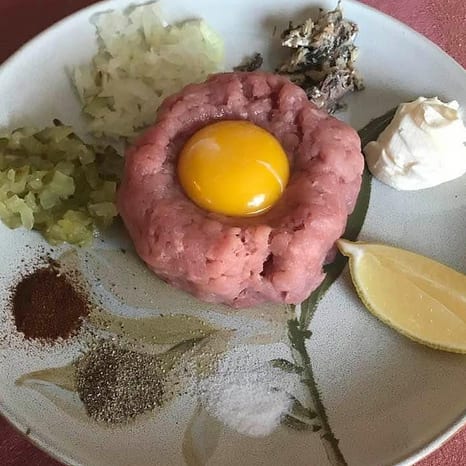
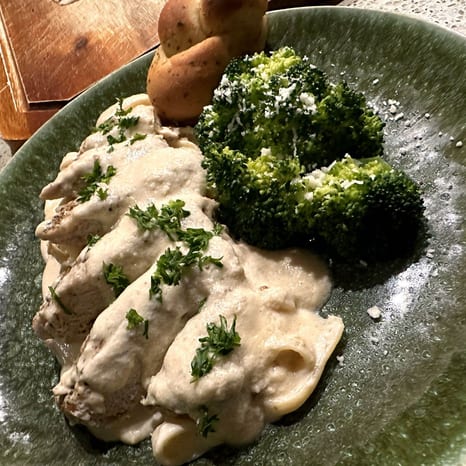
Ingredient reference image: AI-generated. Recipe photography is my own.
In the kitchen
Grind it fresh, every time
Piperine, the heat, is stable. The aromatic oils that make pepper interesting are not, and they are gone within the hour. A pepper mill is the highest-return tool in a kitchen for the money.
Coarse and fine do different jobs
A coarse crack gives pockets of heat and a texture you can feel — right on a steak or a cacio e pepe. A fine grind disappears into a sauce. Set the mill for the dish, not once and forever.
It goes on late
Long cooking drives off the aromatics and leaves flat heat, and in some braises pepper turns slightly bitter. Season with it at the end, and again at the table.
Beyond the kitchen
BLACK GOLD
Pepper was valuable enough in the Roman Empire and medieval Europe to be used as currency, collateral and rent. Alaric is recorded as demanding pepper among the ransom for Rome in 408, and peppercorn rents survive in English property law as a token payment to this day.
THE REASON FOR THE VOYAGES
Pepper, more than any other single commodity, drove the Portuguese search for a sea route to India. Vasco da Gama's arrival at Calicut in 1498 was about this vine, and the subsequent reorganisation of world trade followed from it.
THE MOST TRADED SPICE
Black pepper accounts for roughly a fifth of all spice trade by volume, more than any other. Vietnam has been the largest producer since the 1990s, having entered the market only in the late twentieth century.
NOT A PRESERVATIVE MYTH
The old story that medieval Europeans used heavy spicing to disguise rotten meat does not hold up: pepper was so expensive that anyone who could afford it could afford fresh meat. It was used because it was a luxury, and shown off as one.
A longer history
Piper nigrum is native to the Western Ghats of southern India, where it has been harvested for well over three thousand years. Peppercorns were packed into the nostrils of Ramesses II during mummification around 1213 BCE, which means an Indian vine was reaching Egypt in bulk in the Bronze Age.
Rome imported it at extraordinary volume — Pliny complained about the drain of silver to India to pay for it — and it remained the single most valuable spice in European trade through the medieval period, passing through Arab and Venetian intermediaries at every stage. Its price is the reason Portugal sailed round Africa and Spain sailed west.
Once European powers reached the source directly, prices collapsed over the following centuries and pepper became the one former luxury that ended up on every table in the world. It is now grown across Vietnam, Indonesia, India and Brazil, and remains the most traded spice on earth — a commodity whose history is the history of long-distance trade itself.